Valentine’s Day tends to sell us a very narrow version of sex: effortless, spontaneous, and permanently frozen in our twenties. Real life, of course, is far more interesting. Desire evolves. Bodies change. Confidence deepens. And for many women, sex actually gets better with age once we stop measuring it by outdated rules.
That’s why we talk about sex through the decades and have honest conversations about intimacy, pleasure, and vaginal health in midlife and beyond. Think of this as your big-picture guide: what shifts in your 40s, 50s, and 60s — and how to work with your body instead of against it.
Whether you’re married, dating, remarried, happily unattached, or somewhere in between, this is your reminder (just in time for Valentine’s Day): there is no expiration date on desire.
Sex in your 40s: when desire becomes more personal
Your 40s are often the decade where sex stops being about performance and starts being about preference. You know what you like. You know what you don’t. And you’re far less interested in pretending otherwise.
Physically, this is also when hormonal shifts can begin — sometimes subtly, sometimes not. Changes in estrogen can affect libido, arousal, and vaginal comfort, even if your periods are still regular. Emotionally, this decade can feel like a reckoning: juggling work, caregiving, relationships, and your own evolving identity.
The good news? Many women report stronger orgasms, better communication, and a deeper connection to their bodies in this decade. Sex may require a little more intention (and a little more lubrication) — but that intention often leads to more satisfying experiences.
Read more: Women’s Sex Drive After 40
Sex in your 50s: rewriting the rules
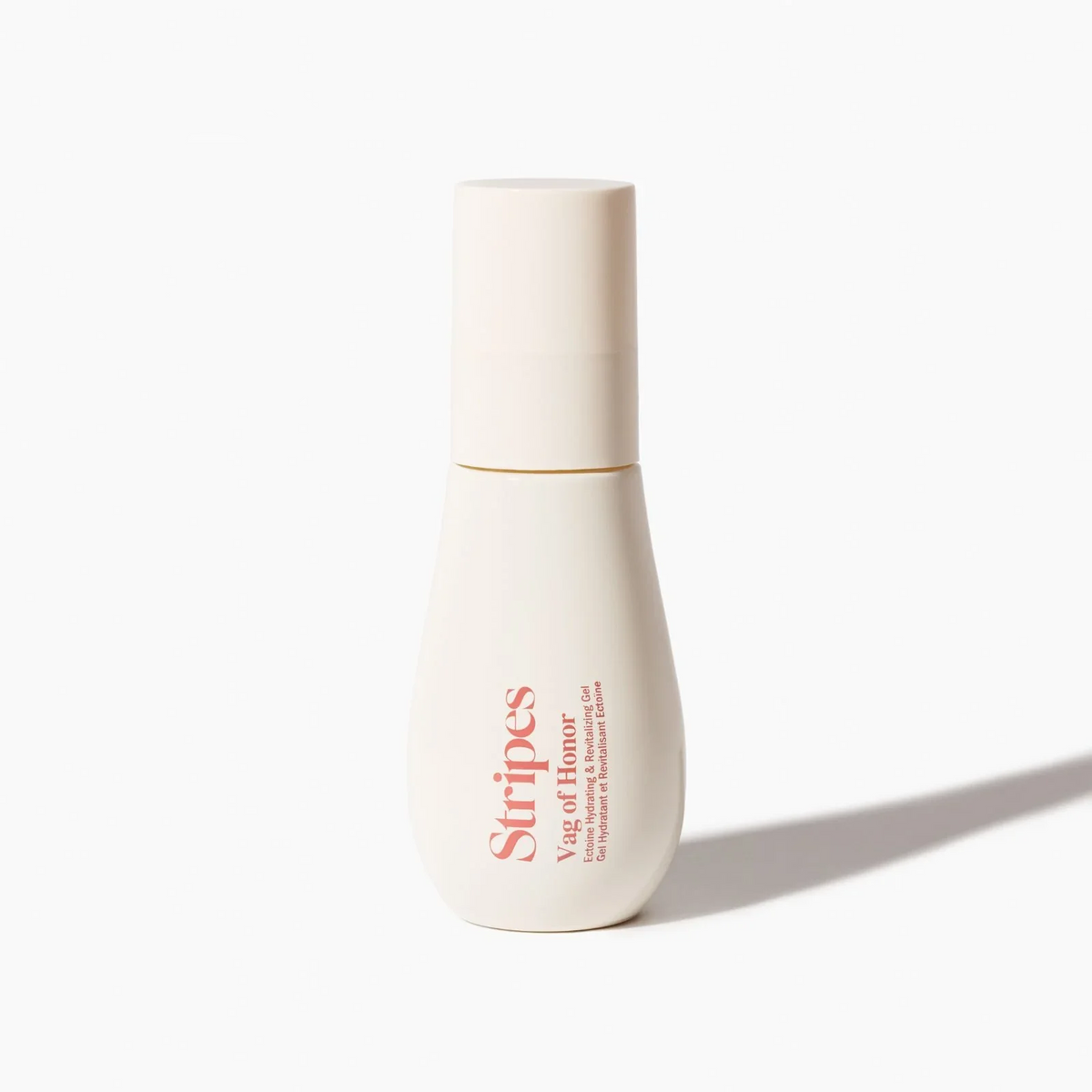
By your 50s, the old scripts around sex tend to fall apart, and that’s a good thing. This is often the decade of perimenopause and menopause, when estrogen levels drop more significantly and vaginal dryness, irritation, or discomfort during sex may appear. (Don’t worry; that’s what a vaginal hydrator is for.)
But here’s what rarely gets talked about: for many women, this is also when sex becomes more emotionally satisfying. There’s less pressure to perform, less concern about appearances, and more focus on pleasure, connection, and creativity.
This decade invites a reset. Slower arousal? That’s not a problem — it’s an opportunity. Different sensations? A chance to explore. Sex in your 50s often thrives when it’s reframed as something expansive, not restrictive.
Read more: Sex After 50
Sex in your 60s: comfort, confidence, and clarity
Sex in your 60s is often described by women in one word: freeing. There’s a confidence that comes from decades of lived experience and a clarity about what truly matters.
Physically, vaginal and vulvar tissues may become thinner or drier without estrogen support, which can impact comfort. But solutions exist, and pleasure does not disappear with menopause — it simply evolves.
Emotionally, many women in their 60s report stronger boundaries, better communication, and a more relaxed relationship with their bodies. Sex becomes less about frequency and more about quality. Less about expectation, more about enjoyment.
Read more: Sex After 60
Why we’re talking about sex at every age
Sex in your 40s, 50s, 60s, and beyond isn’t about telling you how sex should look. It’s about giving you language, context, and permission to define it for yourself. Because intimacy doesn’t belong to one age group, and pleasure doesn’t peak at 25.
Whether you’re celebrating Valentine’s Day with a partner, with friends, or solo, consider this your reminder: your relationship with your body and your sexuality is allowed to grow richer with time.